

STP Plant Knowledge Guide

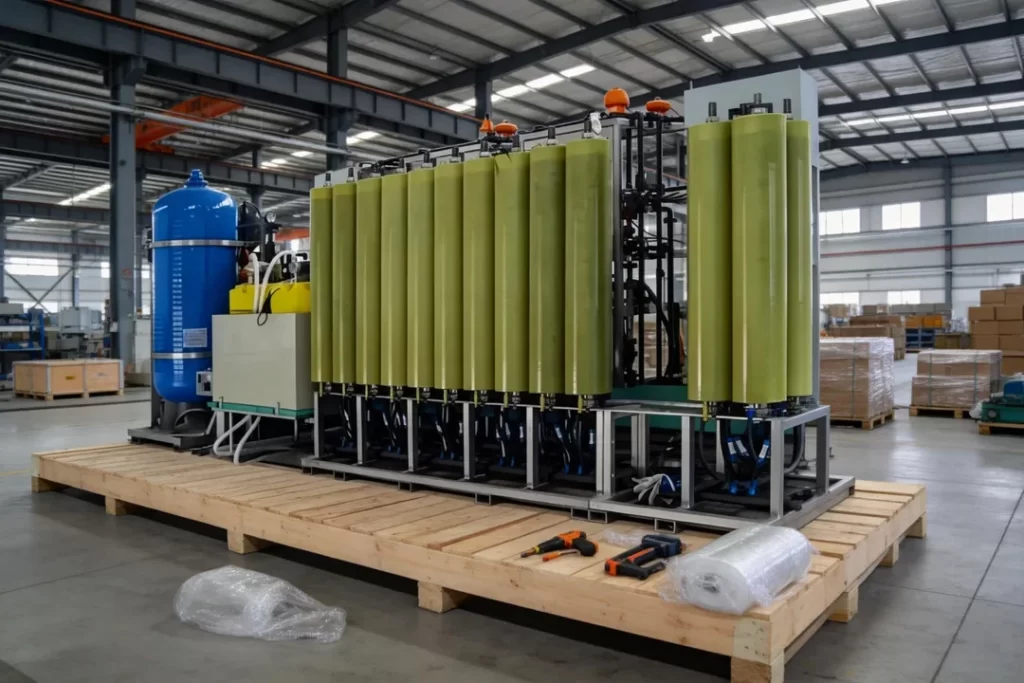
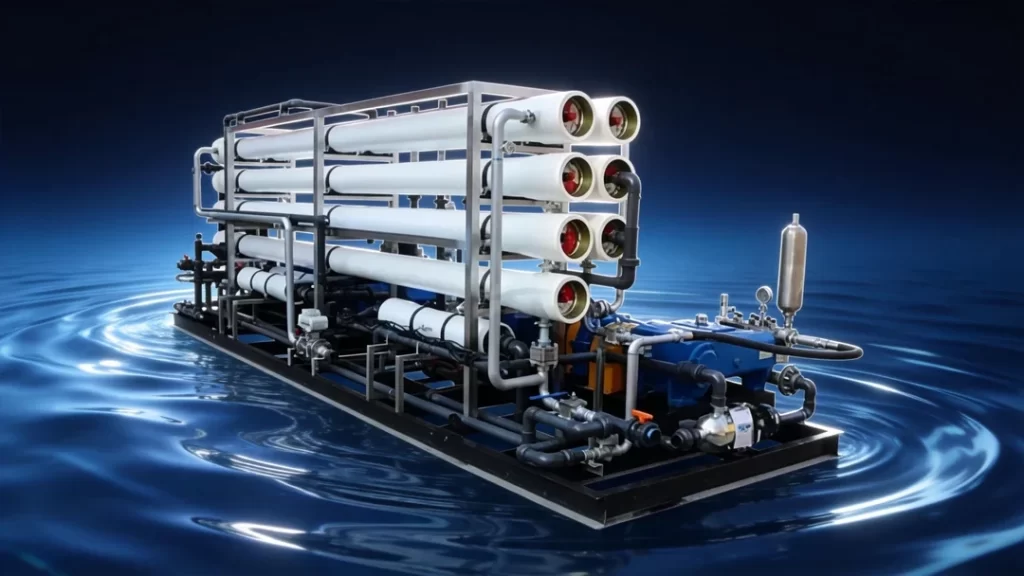
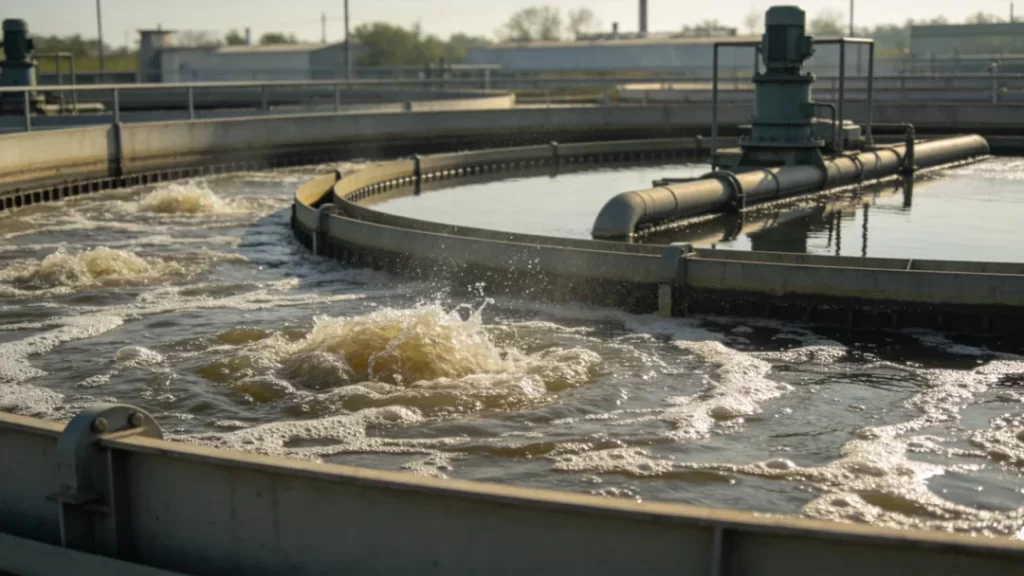
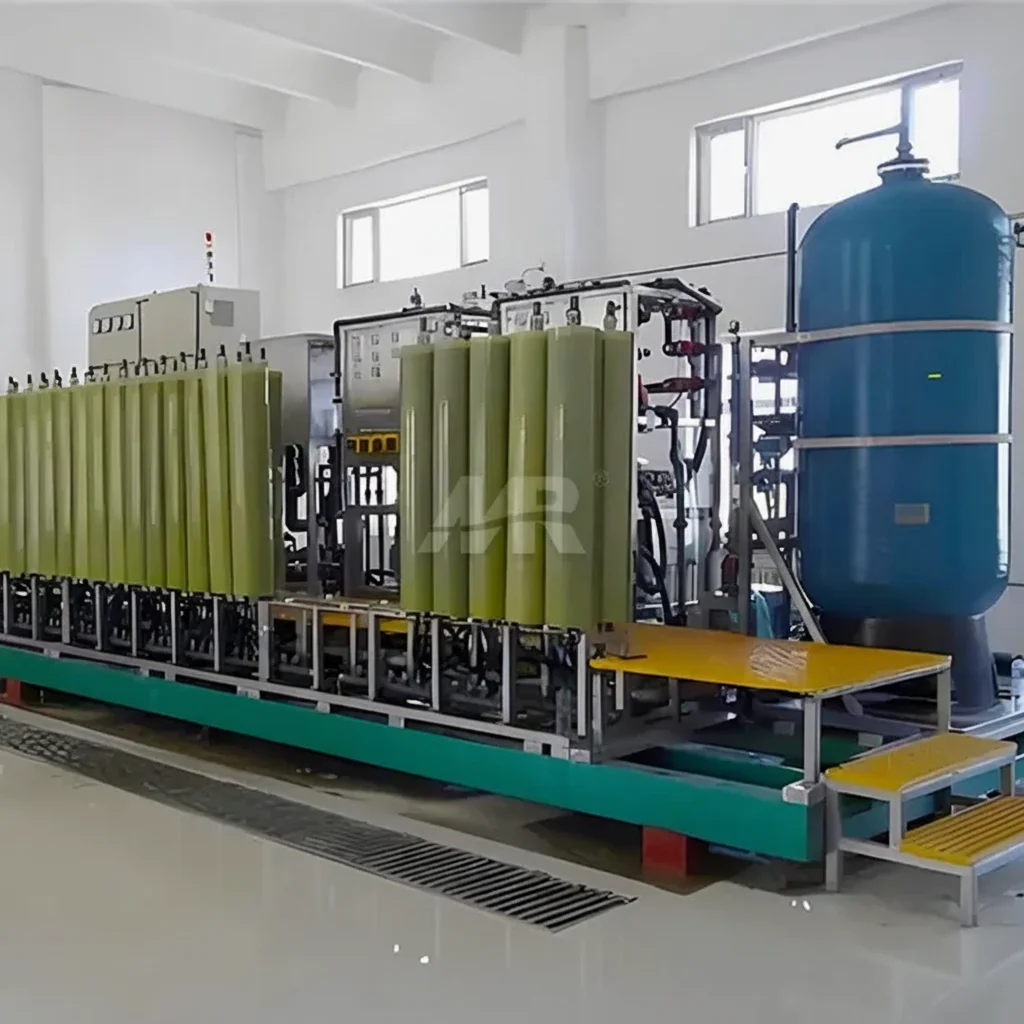
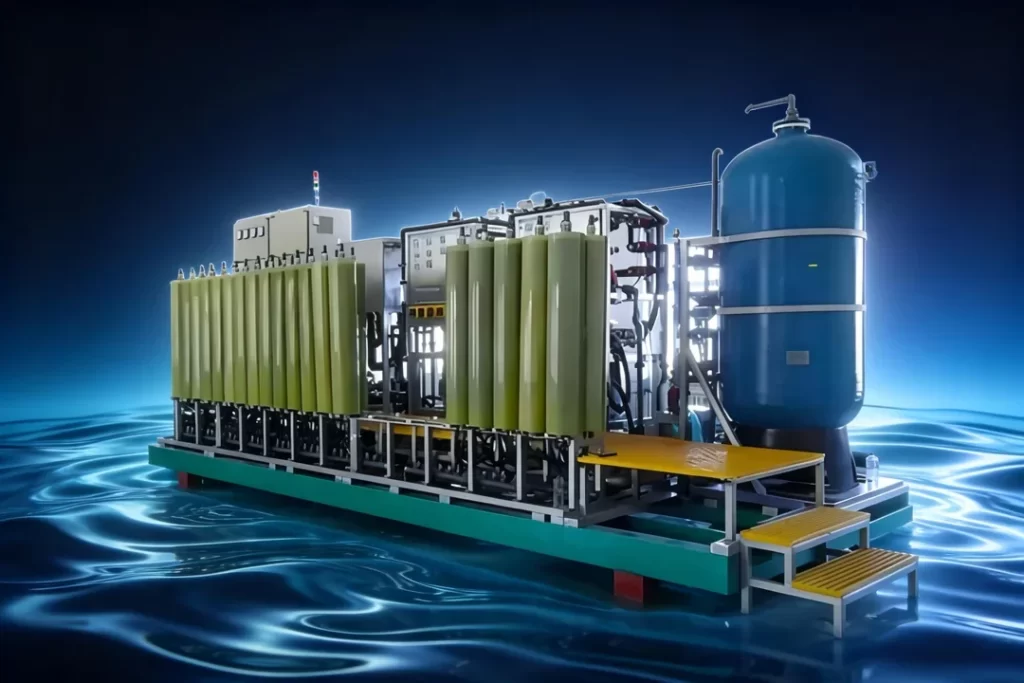
The STP plant knowledge guide introduces key principles of sewage treatment plant design, including process selection, hydraulic flow balance, biological treatment mechanisms, sludge handling methods, and discharge compliance, helping engineers and planners understand how integrated treatment units work together to achieve stable, efficient wastewater purification in municipal and industrial applications.

STP Plant Knowledge related articles

High-Pressure DTRO System for Landfill Leachate Management

Containerised Sewage Treatment Equipment Knowledge Can Support System Selection

High-Pressure DTRO System for Landfill Leachate Management Specifications

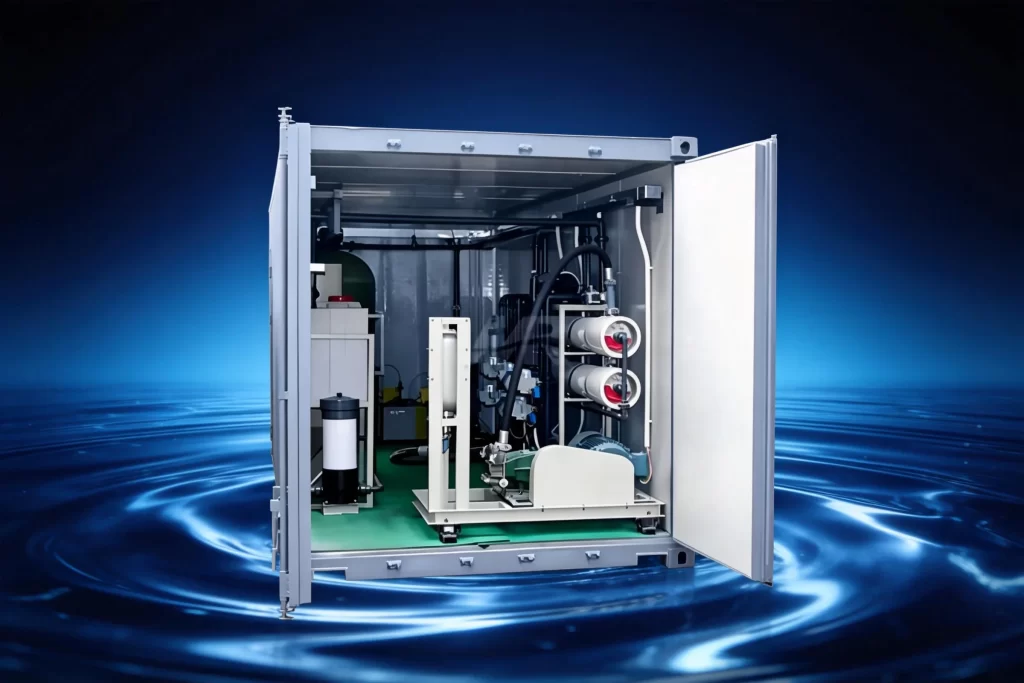
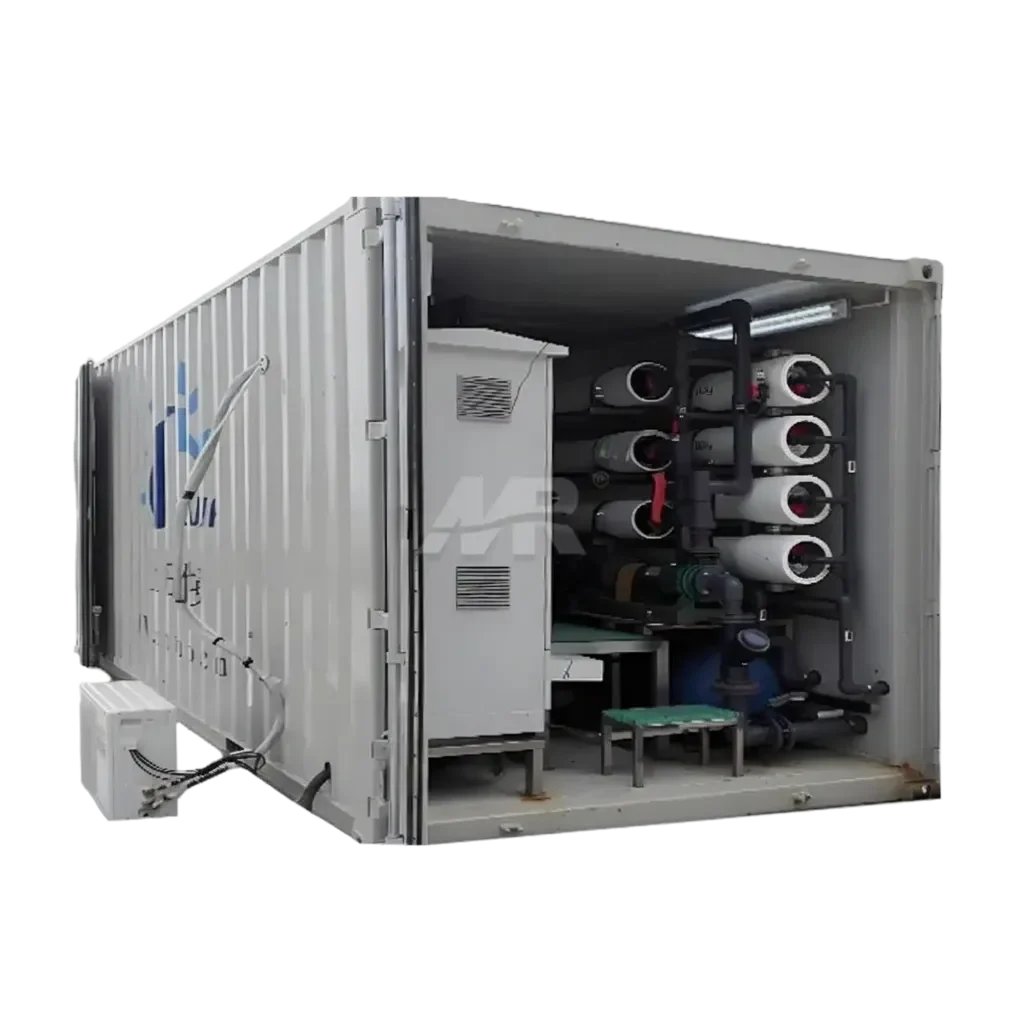
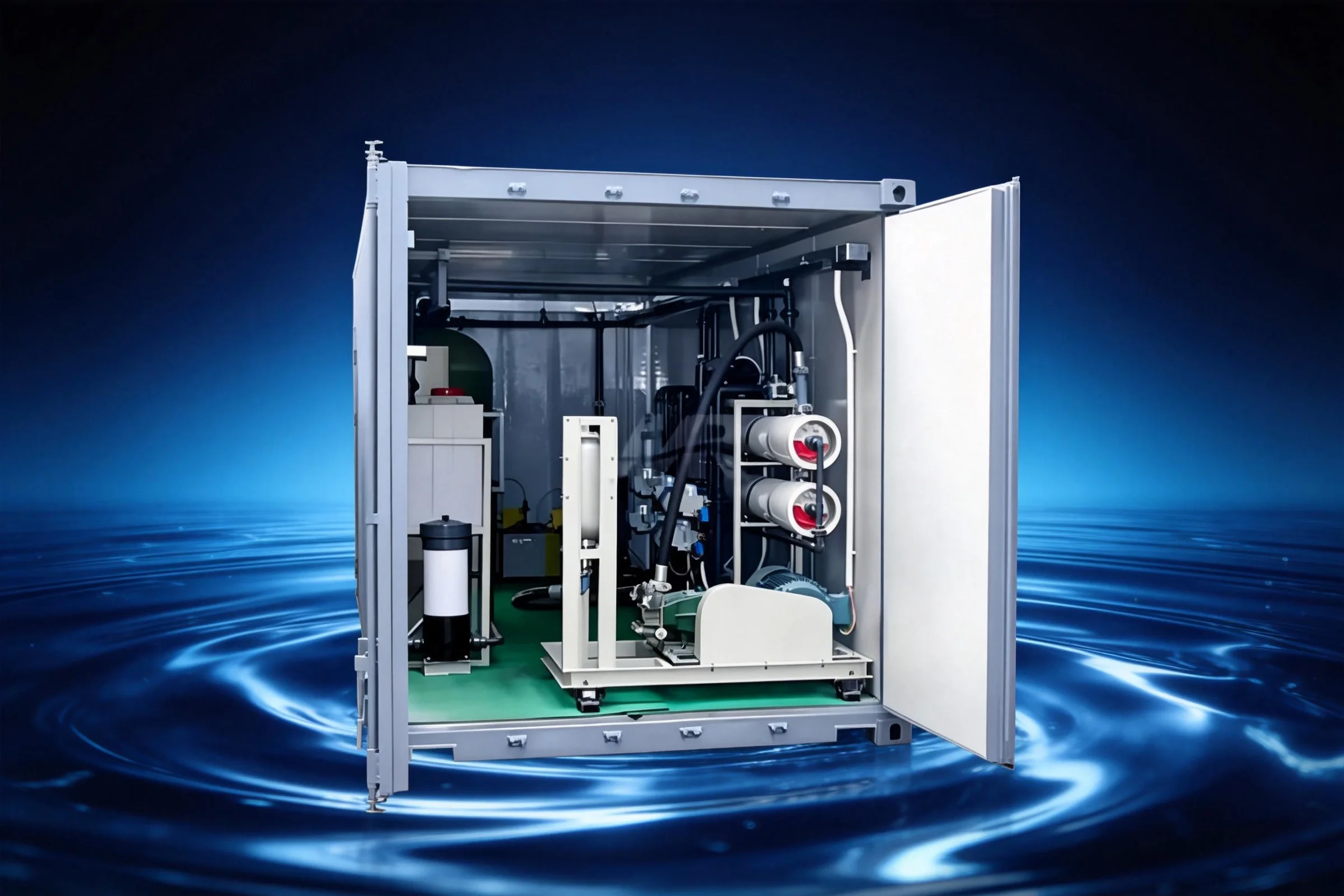
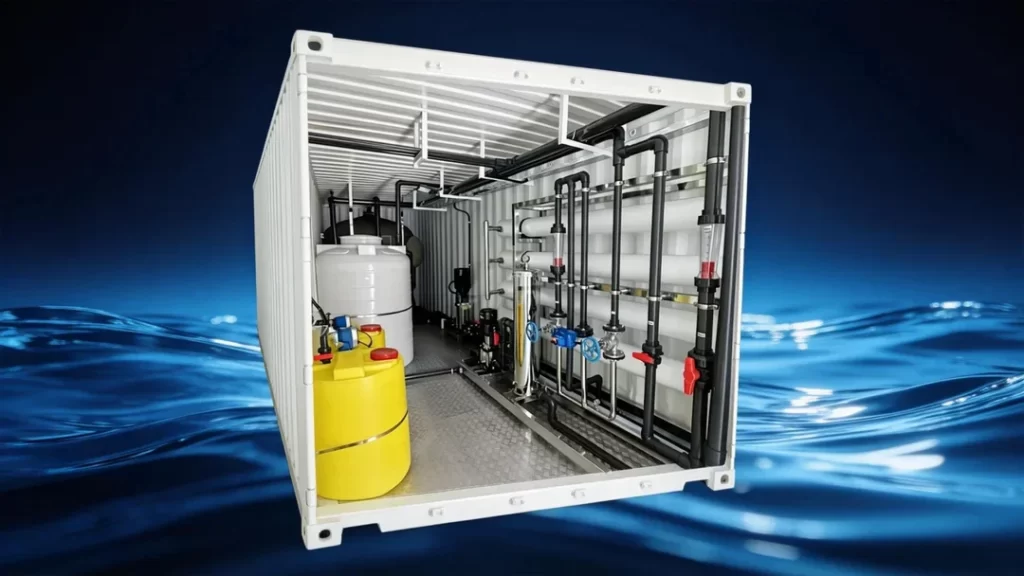
Containerised sewage treatment equipment knowledge helps engineers and project owners select suitable modular systems by clarifying treatment capacity ranges, process configurations, footprint limits, transport logistics, and installation conditions, ensuring reliable wastewater compliance in decentralized or rapidly deployed scenarios.

Modular Process Capacity Matching

Understanding modular process capacity matching enables accurate selection of containerised sewage treatment units by aligning influent characteristics, daily flow variations, discharge standards, and future expansion needs with biological, filtration, and disinfection module combinations, ensuring stable treatment efficiency while optimizing container quantity, internal layout, and operational energy consumption across diverse municipal, industrial, or temporary project environments.

Transport and Deployment Condition Adaptation

Knowledge of transport and deployment condition adaptation supports system selection by evaluating road transport limits, lifting constraints, site accessibility, climate exposure, and utility connections, allowing containerised sewage treatment equipment to be configured with reinforced structures, pre-installed piping, and rapid-connect interfaces that minimize onsite construction time and ensure reliable startup in remote or infrastructure-limited locations.
High-Pressure DTRO System for Landfill Leachate Management Specifications

Complete Guide to Industrial Reverse Osmosis Systems: Design, Selection and Implementation

Reverse osmosis (RO) technology has become the cornerstone of modern industrial water

25TH Groundwater Desalination Containerized RO Plant Specifications

Reverse osmosis (RO) technology has become the cornerstone of modern industrial water treatment systems, offering unparalleled purification capabilities for a wide range of applications. This comprehensive guide explores the fundamental principles, system design considerations, and best practices for implementing RO systems in industrial environments.

Mining and Construction Sites

Company Test Title5

Reverse osmosis (RO) technology has become the cornerstone of modern industrial water treatment systems, offering unparalleled purification capabilities for a wide range of applications. This comprehensive guide explores the fundamental principles, system design considerations, and best practices for implementing RO systems in industrial environments.

DTRO Membrane for Landfill Leachate Collection System Packaging and Global Delivery

Company Test Title4

Reverse osmosis (RO) technology has become the cornerstone of modern industrial water treatment systems, offering unparalleled purification capabilities for a wide range of applications. This comprehensive guide explores the fundamental principles, system design considerations, and best practices for implementing RO systems in industrial environments.

20TH Portable Water Production Containerized UF RO Systems Specifications

Sewage Wastewater Processing Solutions Knowledge Base

Reverse osmosis (RO) technology has become the cornerstone of modern industrial water treatment systems, offering unparalleled purification capabilities for a wide range of applications. This comprehensive guide explores the fundamental principles, system design considerations, and best practices for implementing RO systems in industrial environments.

25TH Groundwater Desalination Containerized RO Systems

Company Test Title2

Reverse osmosis (RO) technology has become the cornerstone of modern industrial water treatment systems, offering unparalleled purification capabilities for a wide range of applications. This comprehensive guide explores the fundamental principles, system design considerations, and best practices for implementing RO systems in industrial environments.

12m3Hour Reverse Osmosis Saltwater Desalination Plant Specifications

dtro-plant-knowledge Test Title

Reverse osmosis (RO) technology has become the cornerstone of modern industrial water treatment systems, offering unparalleled purification capabilities for a wide range of applications. This comprehensive guide explores the fundamental principles, system design considerations, and best practices for implementing RO systems in industrial environments.

25TH Underground Water Desalination Reverse Osmosis Plant Specifications

EDI System Knowledge Test Title

test Content20T/H Portable Water Production Containerized UF RO Systems20TH Portable Water Production Containerized UF RO Systems Specifications

Reverse osmosis (RO) technology has become the cornerstone of modern industrial water treatment systems, offering unparalleled purification capabilities for a wide range of applications. This comprehensive guide explores the fundamental principles, system design considerations, and best practices for implementing RO systems in industrial environments.

2m3Hour Seawater Reverse Osmosis Desalination Plant Packaging and Global Delivery

Membrane Knowledge Test Title

Reverse osmosis (RO) technology has become the cornerstone of modern industrial water treatment systems, offering unparalleled purification capabilities for a wide range of applications. This comprehensive guide explores the fundamental principles, system design considerations, and best practices for implementing RO systems in industrial environments.

25m3Hour Groundwater Desalination Reverse Osmosis Machine Packaging and Global Delivery

Seawater Desalination Equipment Knowledge Test Title

Reverse osmosis (RO) technology has become the cornerstone of modern industrial water treatment systems, offering unparalleled purification capabilities for a wide range of applications. This comprehensive guide explores the fundamental principles, system design considerations, and best practices for implementing RO systems in industrial environments.

Introduction to Industrial Reverse Osmosis Systems

Industrial reverse osmosis (RO) systems are widely used for producing high-purity water in manufacturing, municipal, and environmental projects. By using semi-permeable membranes and high pressure, RO technology effectively removes dissolved salts, bacteria, heavy metals, and organic contaminants from water.
These systems play a critical role in industrial water treatment, supporting stable production processes, reducing scaling and corrosion, and enabling water reuse. With growing global demand for sustainable water management, industrial RO systems have become essential infrastructure for many industries.

Key Components of an Industrial RO System

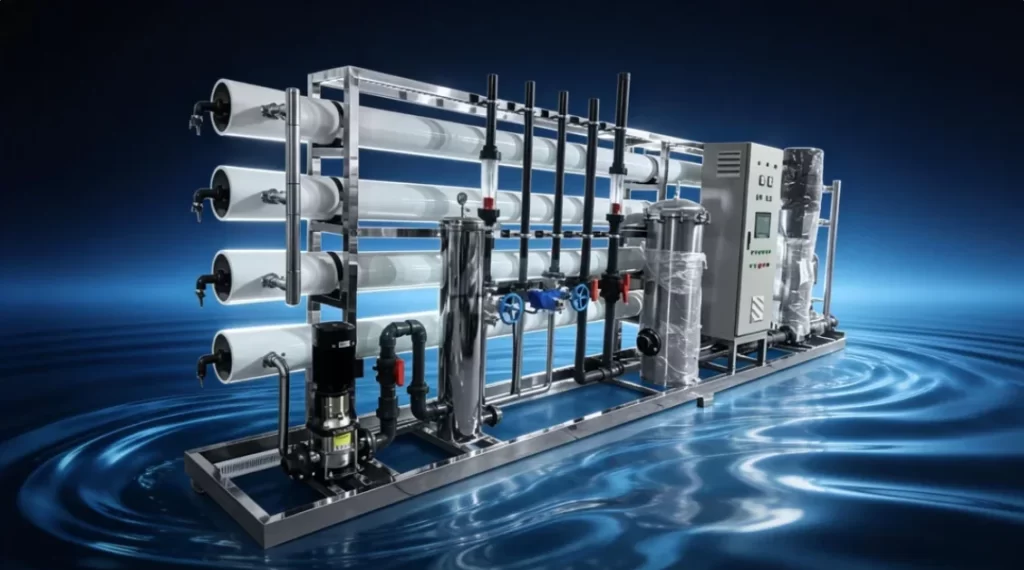
A complete industrial reverse osmosis system integrates several core components that work together to ensure efficient filtration and stable performance.

50TH UF Filter for Turbidity, SS, and COD Removal Packaging and Global Delivery

Sewage Treatment Plant Knowledge Test Title

Reverse osmosis (RO) technology has become the cornerstone of modern industrial water treatment systems, offering unparalleled purification capabilities for a wide range of applications. This comprehensive guide explores the fundamental principles, system design considerations, and best practices for implementing RO systems in industrial environments.

Introduction to Industrial Reverse Osmosis Systems

Industrial reverse osmosis (RO) systems are widely used for producing high-purity water in manufacturing, municipal, and environmental projects. By using semi-permeable membranes and high pressure, RO technology effectively removes dissolved salts, bacteria, heavy metals, and organic contaminants from water.
These systems play a critical role in industrial water treatment, supporting stable production processes, reducing scaling and corrosion, and enabling water reuse. With growing global demand for sustainable water management, industrial RO systems have become essential infrastructure for many industries.

Key Components of an Industrial RO System

A complete industrial reverse osmosis system integrates several core components that work together to ensure efficient filtration and stable performance.

12m3Hour Reverse Osmosis Saltwater Desalination Plant Packaging and Global Delivery

Ultrafiltration Equipment Knowledge Test Title

Ultrafiltration equipment knowledge helps users evaluate membrane types, pretreatment needs, and operating parameters to match specific water quality and capacity goals. Understanding fouling behavior, flux control, and cleaning strategies supports reliable UF system selection and long-term performance.

Key UF Membrane Selection Factors

Selecting the right UF membrane requires evaluating pore size, material properties, and module configuration against raw water characteristics and treatment objectives. Factors such as turbidity, organic load, and microbial content influence fouling risk and cleaning frequency, while operating pressure and flux determine productivity and lifespan. Proper membrane selection ensures stable filtrate quality, energy efficiency, and compatibility with pretreatment and downstream processes across diverse industrial and municipal applications.

UF System Configuration and Operation Design

Effective UF system configuration integrates pretreatment, membrane modules, and hydraulic control to maintain stable filtration performance under varying water conditions. Design considerations include crossflow or dead-end operation, backwash and chemical cleaning strategies, and instrumentation for monitoring pressure and flux. Optimized configuration reduces fouling, extends membrane service life, and ensures consistent filtrate quality, supporting reliable operation in both standalone and integrated treatment systems.

12TH Best Reverse Osmosis System for Brackish Water Specifications

Container Water Test

Reverse osmosis (RO) technology has become the cornerstone of modern industrial water treatment systems, offering unparalleled purification capabilities for a wide range of applications. This comprehensive guide explores the fundamental principles, system design considerations, and best practices for implementing RO systems in industrial environments.

Introduction to Industrial Reverse Osmosis Systems

Industrial reverse osmosis (RO) systems are widely used for producing high-purity water in manufacturing, municipal, and environmental projects. By using semi-permeable membranes and high pressure, RO technology effectively removes dissolved salts, bacteria, heavy metals, and organic contaminants from water.
These systems play a critical role in industrial water treatment, supporting stable production processes, reducing scaling and corrosion, and enabling water reuse. With growing global demand for sustainable water management, industrial RO systems have become essential infrastructure for many industries.

Key Components of an Industrial RO System

A complete industrial reverse osmosis system integrates several core components that work together to ensure efficient filtration and stable performance.

STP Plant Knowledge Can Support System Selection

STP Plant Knowledge Can Support System Selection

STP plant knowledge supports accurate system selection by clarifying treatment objectives, influent characteristics, discharge standards, and site constraints, enabling engineers and decision-makers to compare biological processes, equipment configurations, and capacity scales to choose solutions that balance performance, cost, and long-term operational stability.

Influent & Effluent Requirement Analysis

Understanding influent composition, flow variation, and required effluent standards is the foundation of STP system selection, as different wastewater sources such as municipal sewage, industrial discharge, or mixed influent demand distinct biological processes, hydraulic retention times, and sludge treatment strategies; by analyzing parameters including COD, BOD, SS, nitrogen, and phosphorus removal targets, engineers can determine whether conventional activated sludge, MBR, SBR, or integrated package plants best meet compliance and reuse goals while maintaining stable performance under seasonal and load fluctuations.

Process & Configuration Matching Strategy

Selecting the optimal STP configuration requires aligning treatment processes with site conditions, footprint limits, automation needs, and lifecycle cost expectations, as compact urban projects may favor integrated or membrane systems while large-scale municipal plants adopt modular biological trains; evaluating aeration methods, tank layouts, sludge handling routes, and equipment redundancy ensures the chosen system achieves reliable pollutant removal, energy efficiency, and maintainability, supporting long-term operation with predictable performance and scalable expansion capability.

CONTACT US FOR EXPERT CONSULTATION